
Quick Start Guide
Overview
This article provides a high-level overview of the initial steps you'll need to take to get Aurora ASM up and running. It reviews the following topics:
- Setting Up Your Account
- Inviting Users to the Platform
- Configuring Integrations
Let's get started!
Setting Up Your Account
Before you can begin setting up your Aurora ASM Organization, you will need to have access to it. Please review the instructions below for setting up your account.
Verifying Your Email
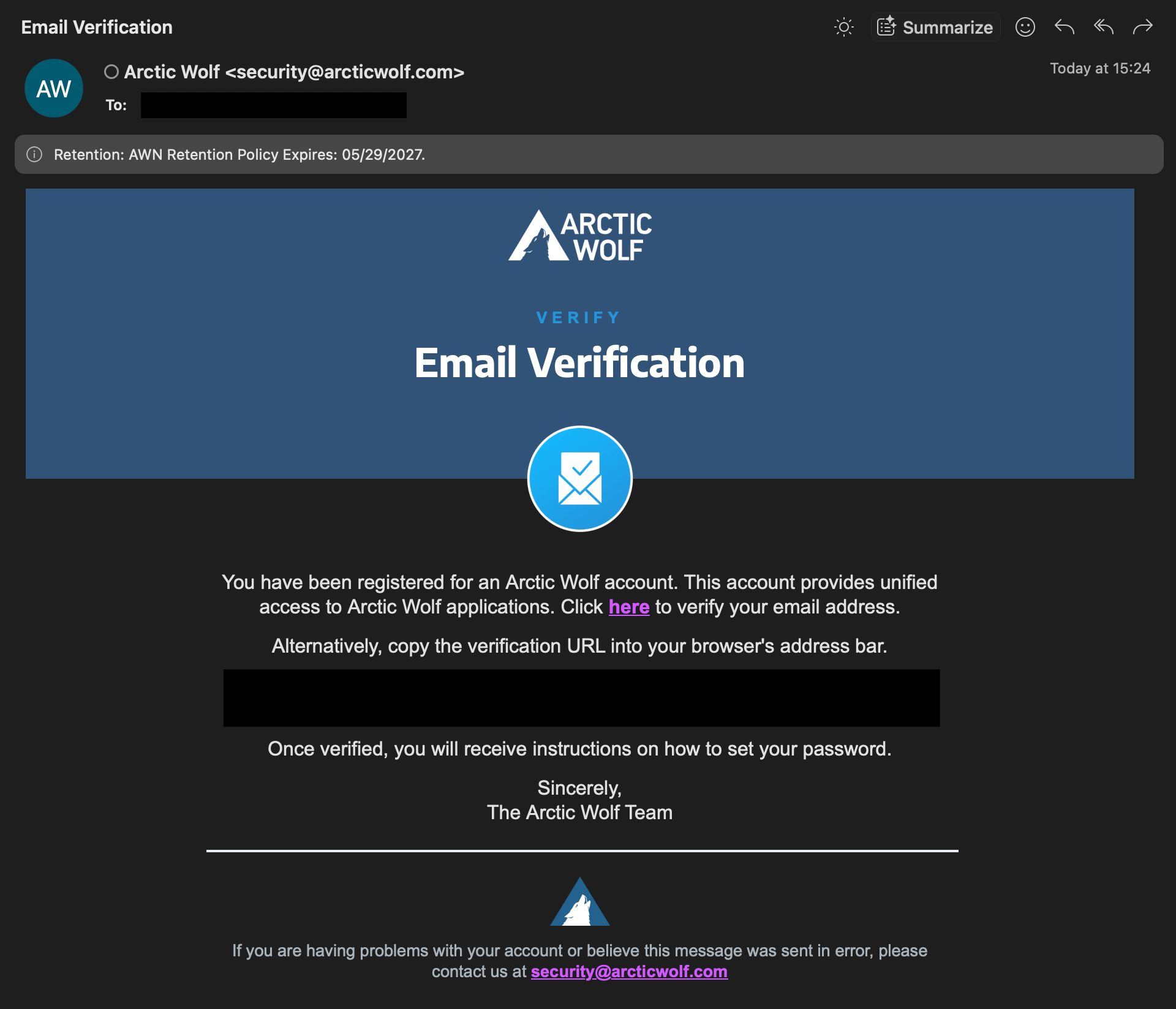
You will receive an Email Verification email when you are invited to join an Aurora ASM Organization. Select the verification link to verify your email.
Creating a Password
You can access the Aurora ASM login page at my.sev.co.
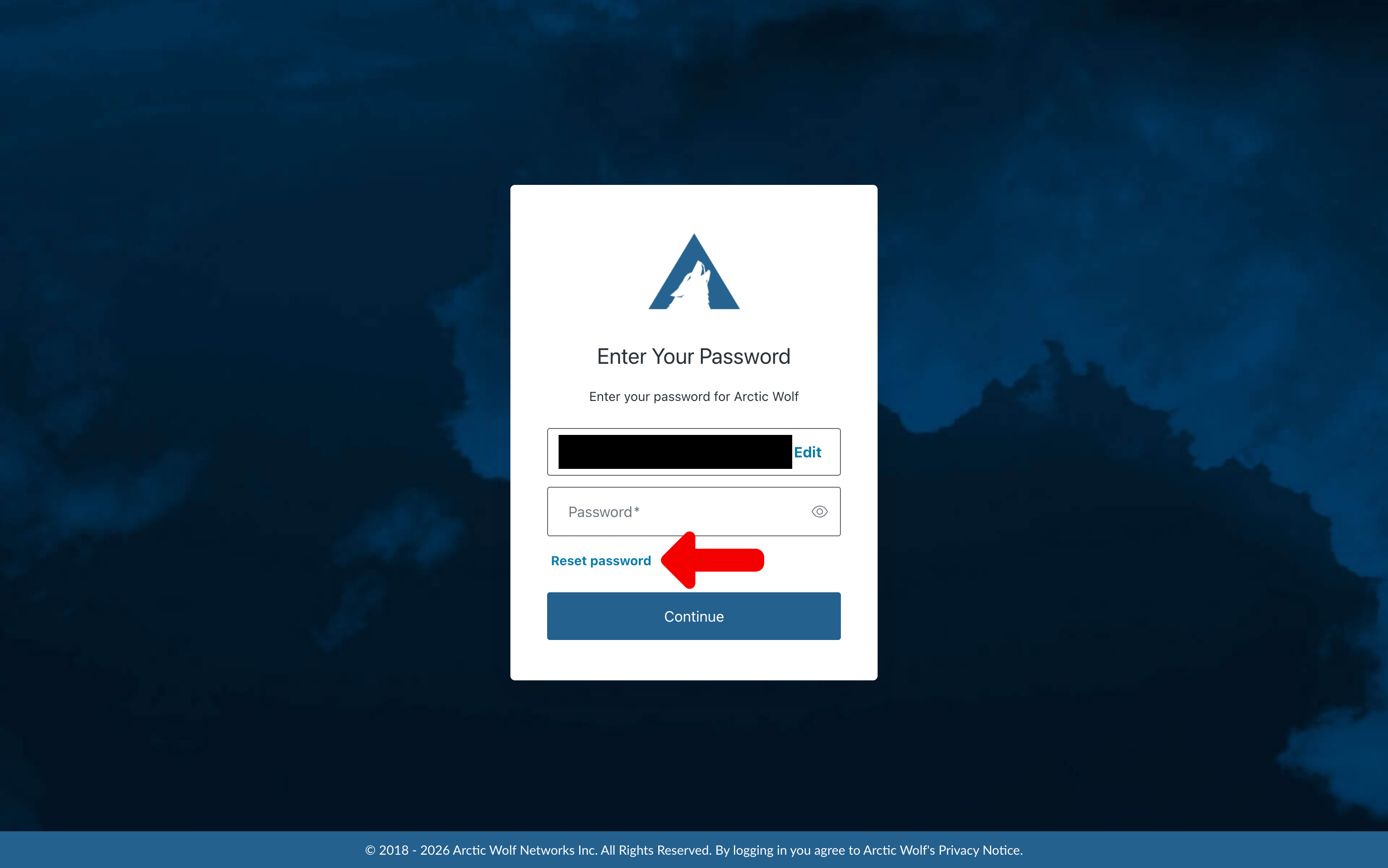
- Enter your email and select the Continue button.
- When prompted to enter your password, select the Reset password link and follow the instructions on the screen.
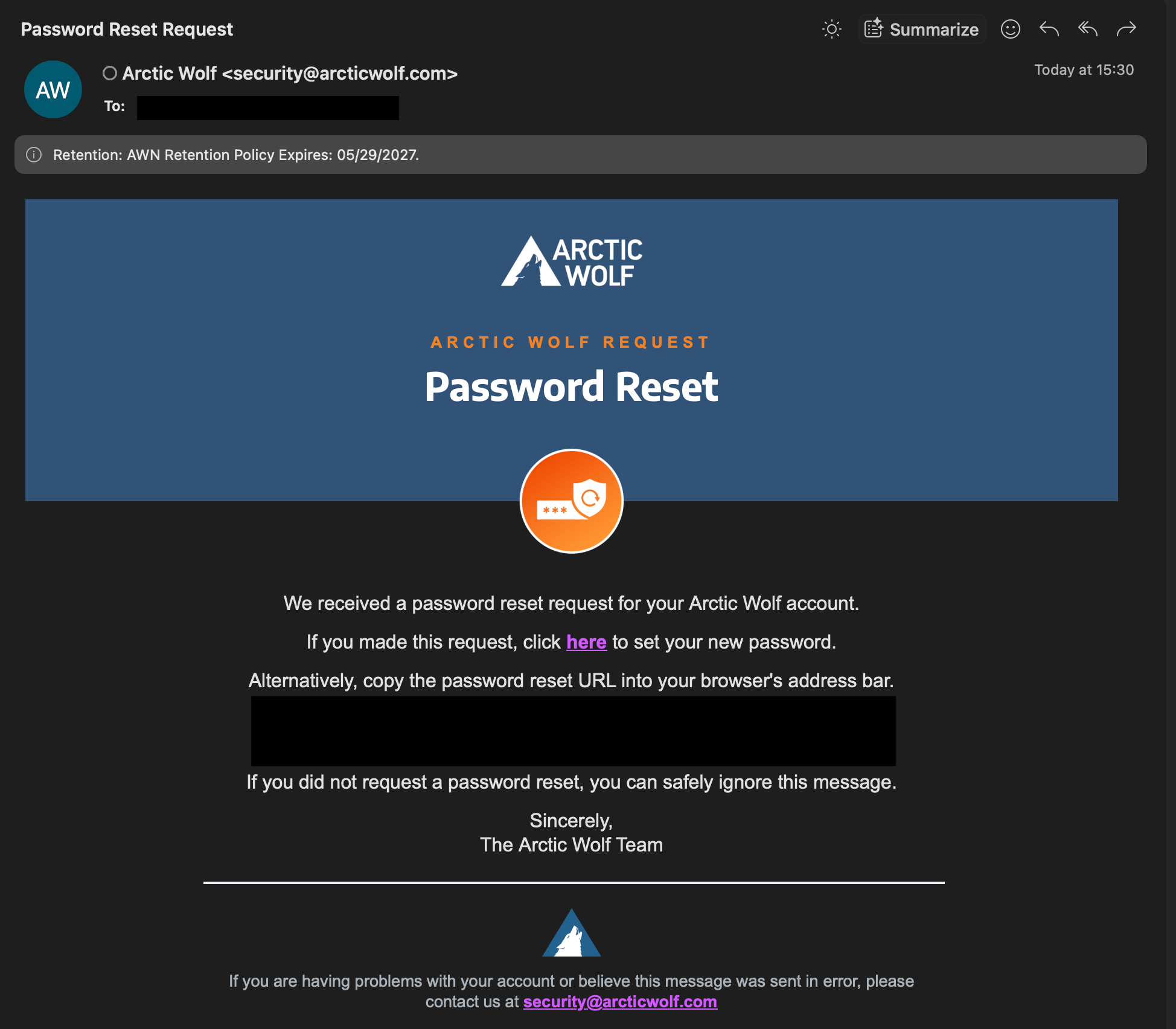
- You will be sent a Password Reset Request email. Select the password reset URL in the email to continue.
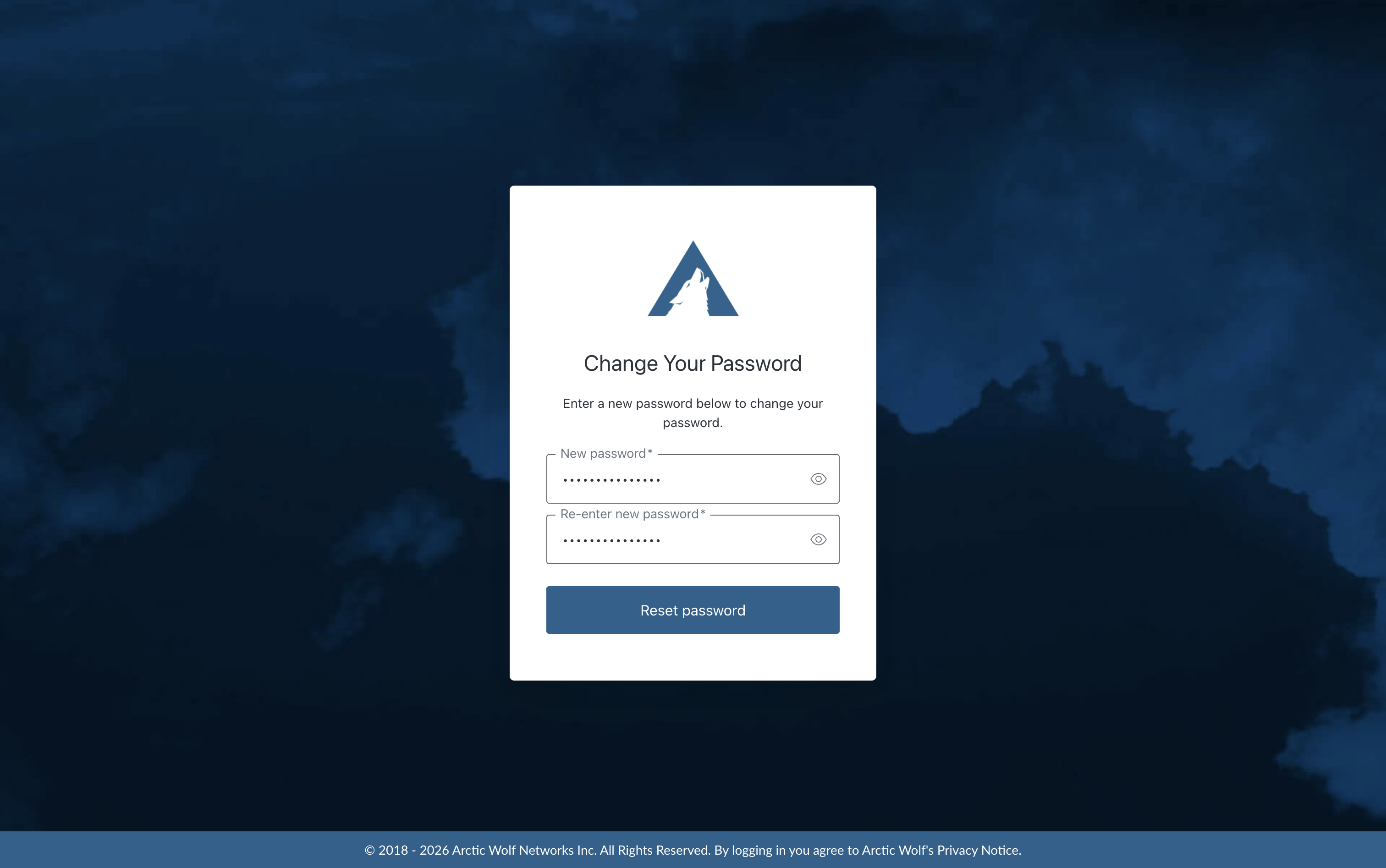
- Once you have been redirected, use the provided fields to enter and then re-enter your new password.
- Select the Reset password button to set your password.
Logging Into Your Account
You can access the Aurora ASM login page at my.sev.co.
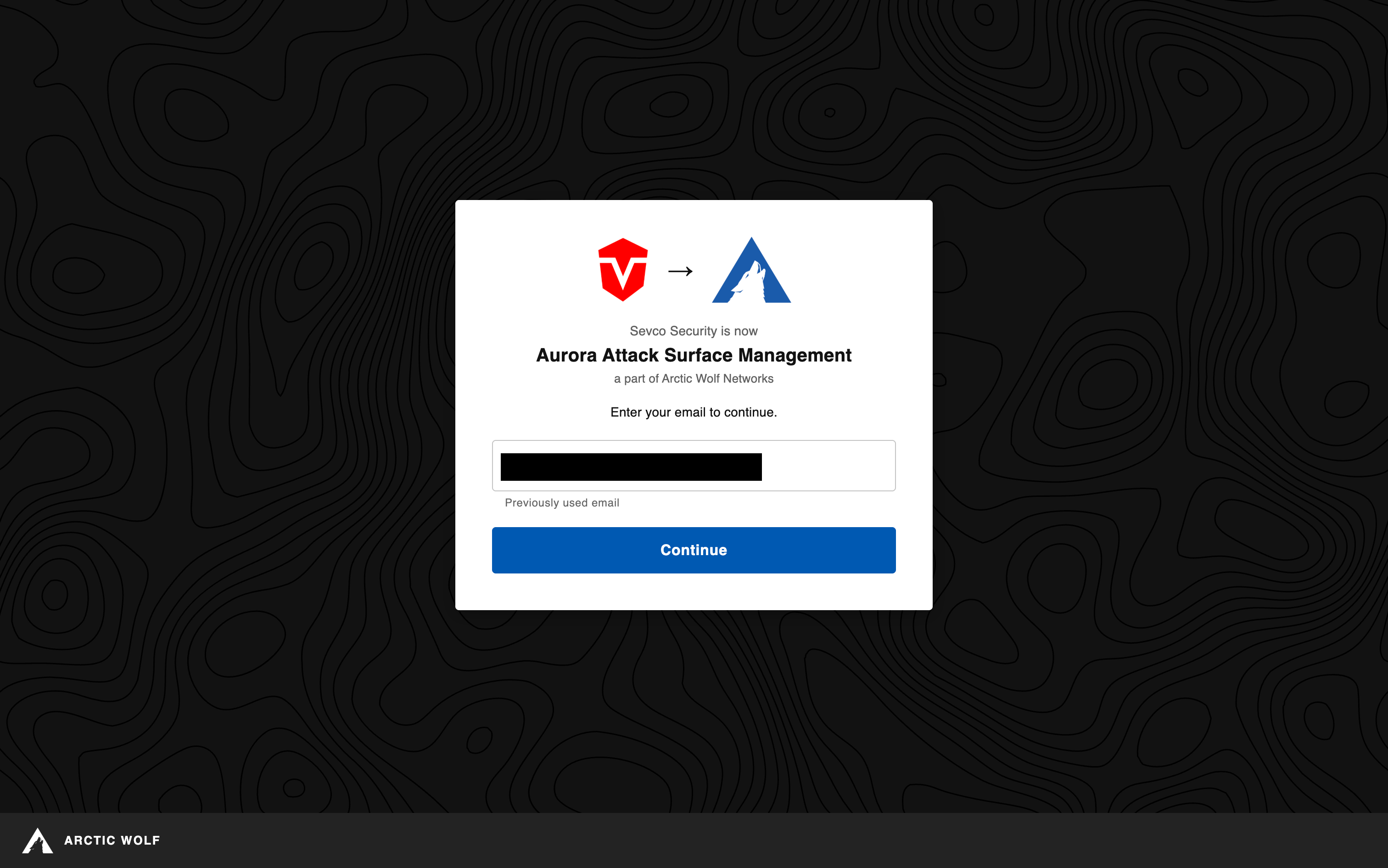
- Enter your email and select the Continue button.
- Enter your password and select the Continue button¹.
¹ If your organization uses a SAML provider, you will be redirected there to complete sign in
Setting Up MFA
The first time you log into Aurora ASM, you will be prompted to set up multi-factor authentication (MFA).
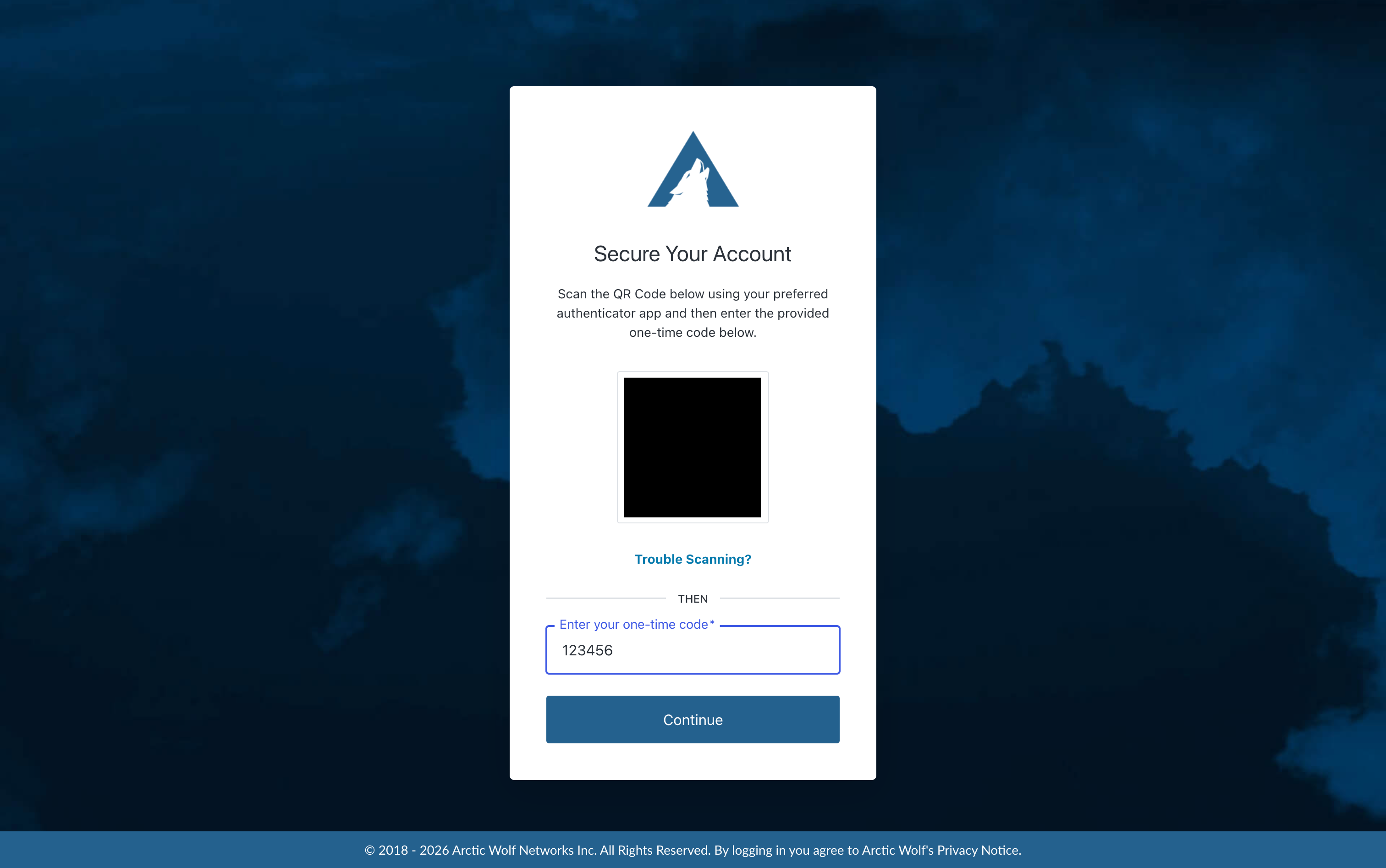
- Scan the QR code with your preferred authenticator app.
- Enter the one time code generated by the authenticator into the provided field.
- Click the Continue button.
Recovery codes are only shown once and must be saved in a secure place!
You will be provided with a recovery code that can be used to log into your account in the event that you lose access to your authenticator app.
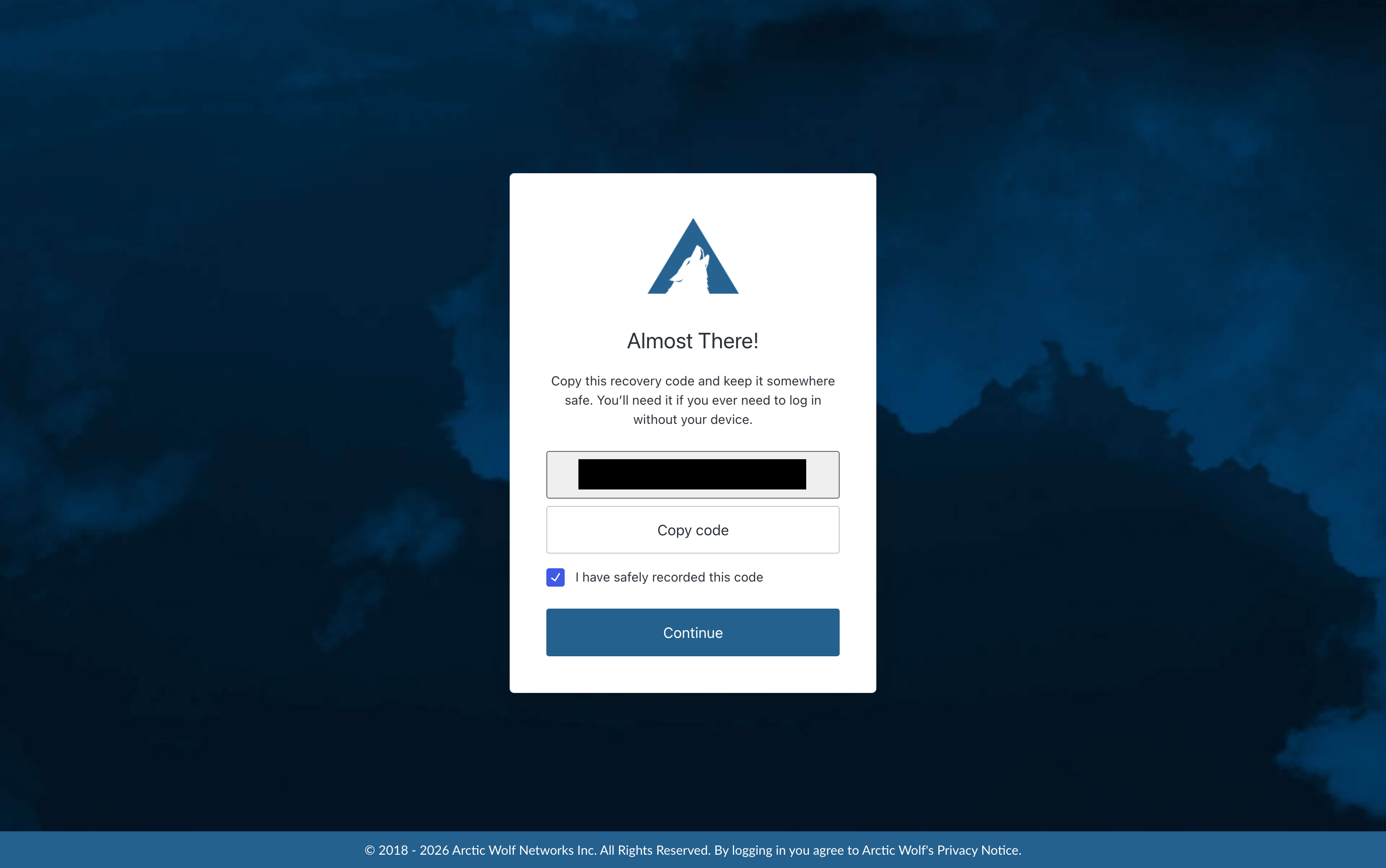
- Select the Copy code button to copy the code to your clipboard.
- Once you've saved your code, check the I have safely recorded this code checkbox.
- Click the Continue button to complete this process.
Setting up a Passkey
Setting up a passkey is optional, but recommended. Doing so will allow you to log in quicker, while also creating a secure method for recovering your account in the event that you lose access to your authenticator app and/or your recovery key.
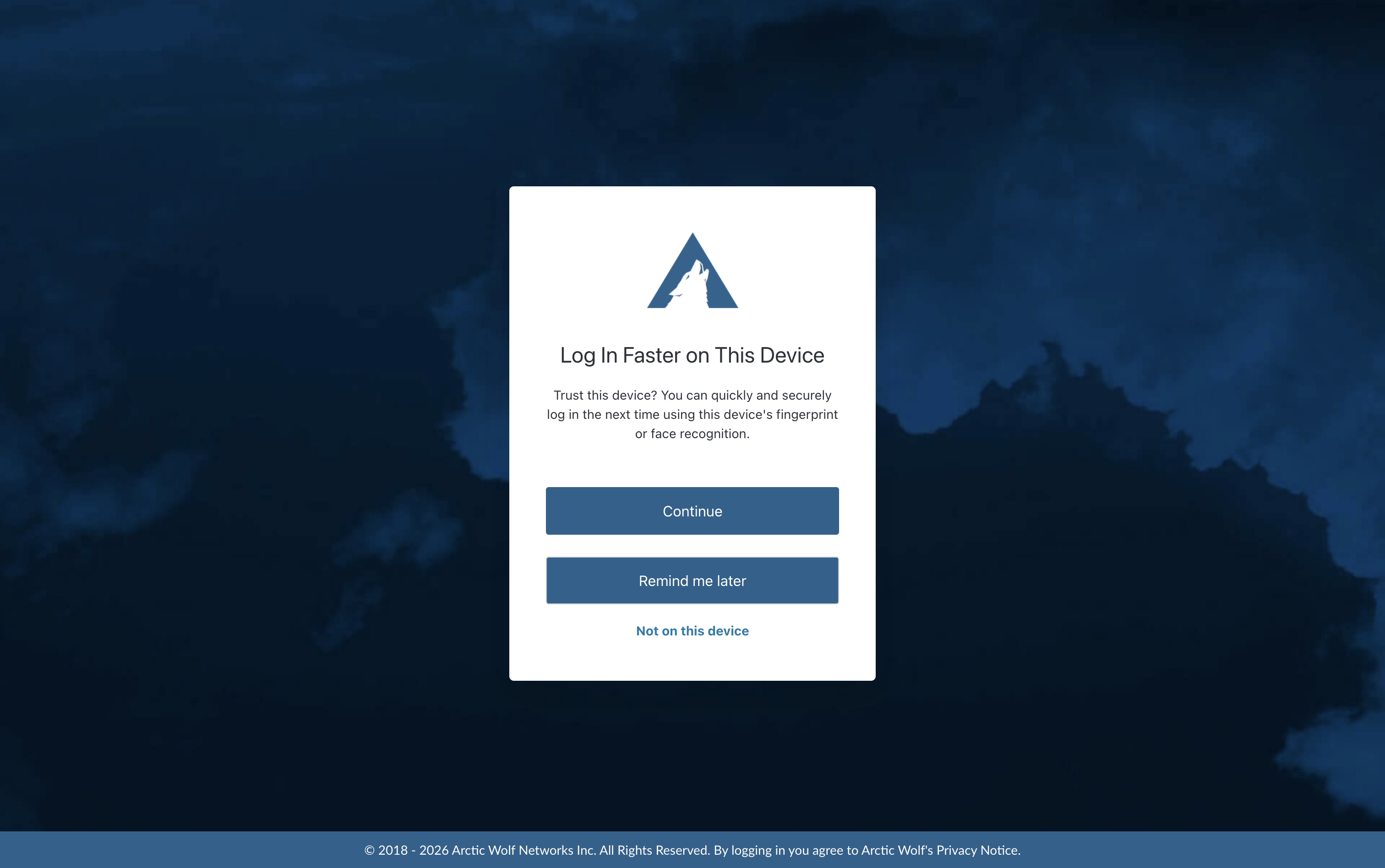
- Select the Continue button to begin setting up your passkey.
- Follow your browser or password manager's instructions setting up your passkey.
You will receive a confirmation message once your device has been successfully registered.
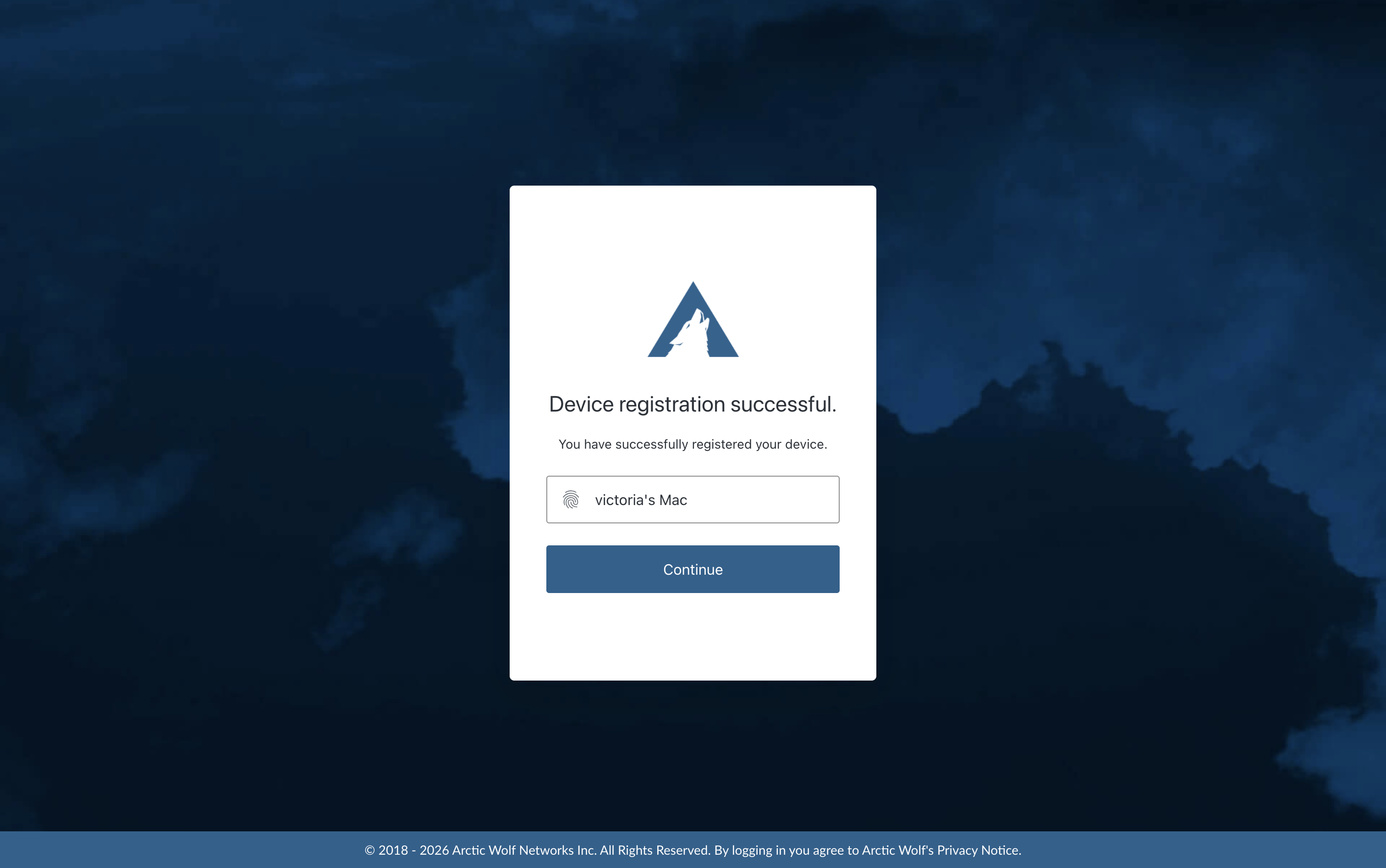
- Click the Continue button to complete this process.
Reviewing the Terms & Conditions
Once you have finished setting up your login information, you will be asked to accept the Terms and Conditions.
- Read through this document carefully then click the Accept button.
And that's it! Your account is now activated and you are ready to begin setting up the rest of your Aurora ASM Organization.
Inviting Users to Join Your Aurora ASM Organization
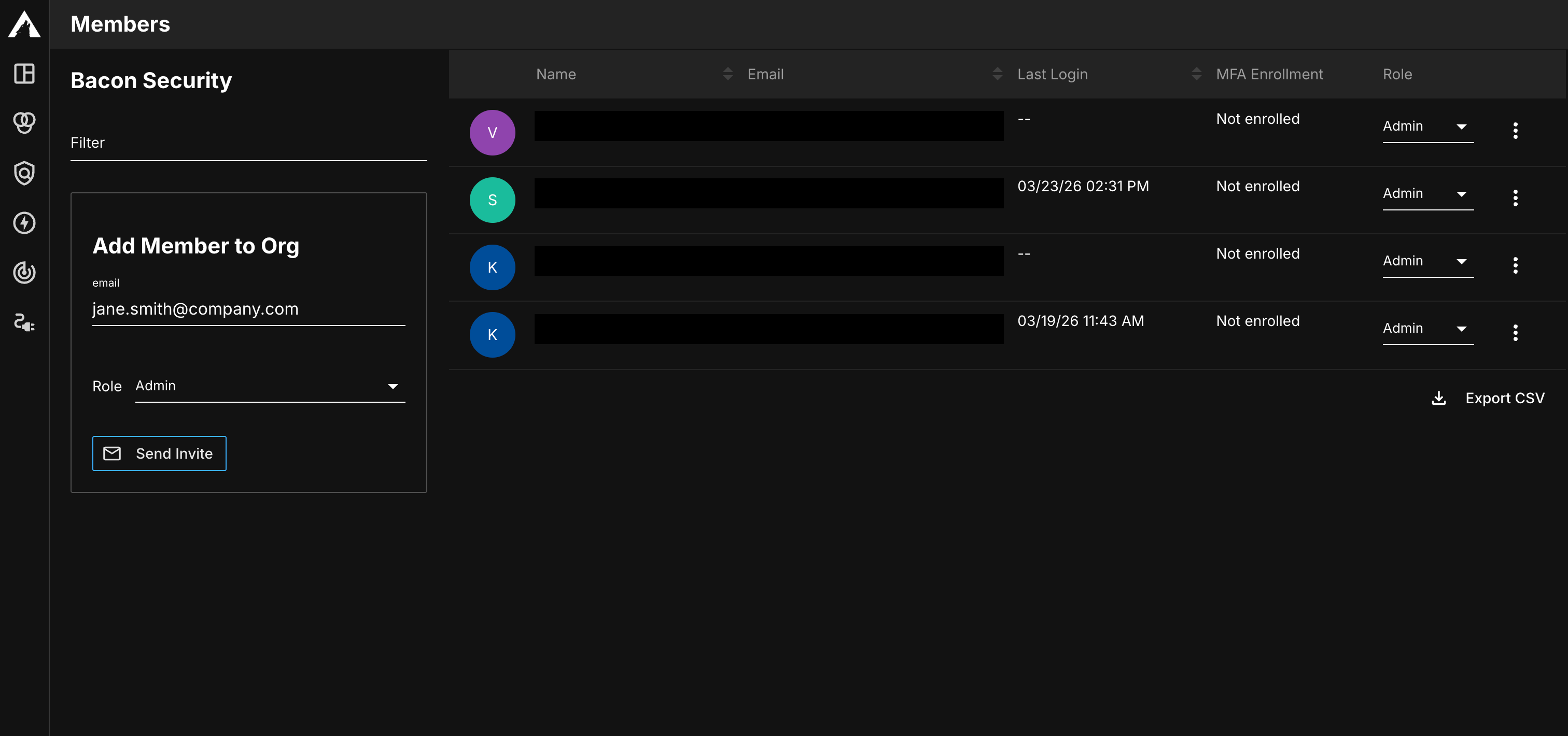
Now that your account has been set up, you can begin inviting users to join your Organization. Click here for instructions.
Configuring Your Integrations
An Integration is any data source at your company that contains information about your assets. We connect to these Sources to provide you with a unified inventory of your assets. Aurora ASM integrations fall into one of about a dozen categories—asset inventory, cloud infrastructure, and vulnerability assessment to name a few.
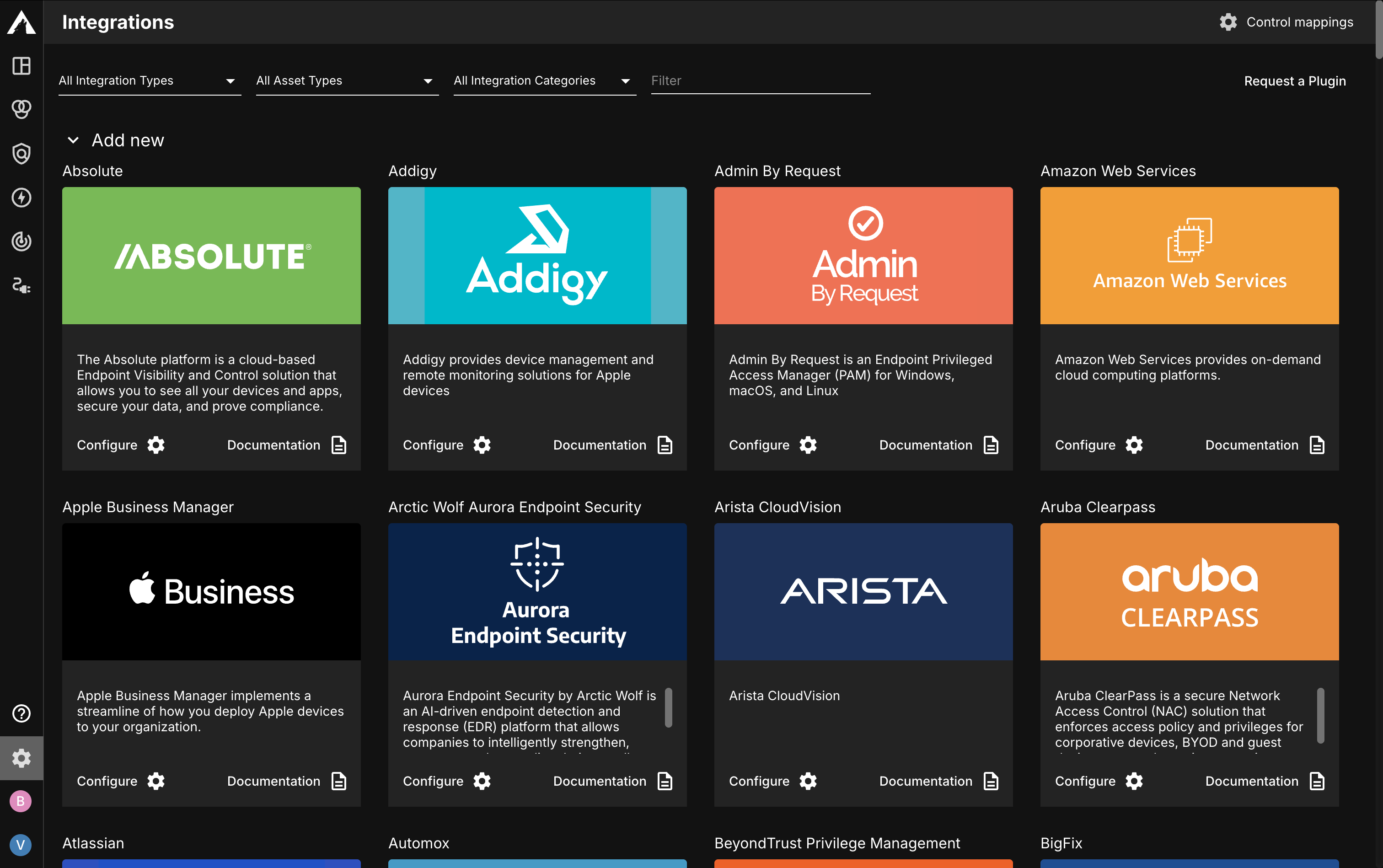
We encourage you to configure integrations from as many categories as possible for a complete view of your company's assets. But to start off, we recommend configuring at least one integration from each of the following categories:
- Identity Access Management
- Endpoint Protection
- Network or Cloud Management
For ease of use, the Aurora ASM platform allows you to configure integrations from each of these categories directly from the Dashboard by redirecting you to the Integrations page and showing you integrations in your selected category.
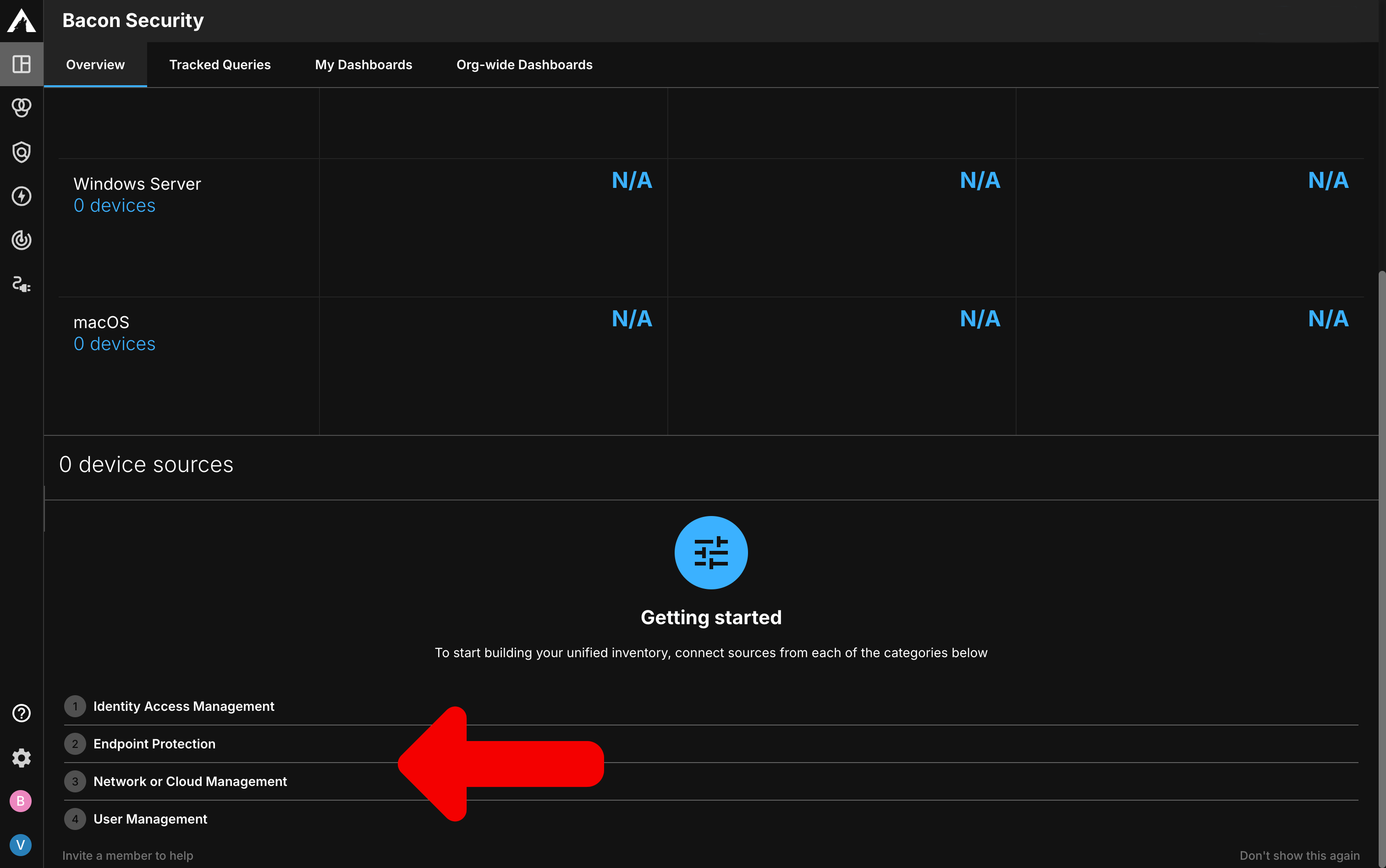
Once an Integration has been added from a category, a green Success checkmark ( ) will appear next to it.

click here for additional instructions on configuring Integrations from the Dashboard.
Essential Integrations Categories
Identity Access Management
When device-identifying information grows, it can become difficult to track. Identity Access Management (IAM) systems keep track of device activity and help ensure that only the credentials you've specified grant access to certain programs and applications. This strengthens both security and operational programs. IAM solutions save costs by minimizing your time dealing with account-related issues and standardize critical aspects of managing identities, authentication, and authorization.
Here are two Integrations we'd recommend adding from this category:
Endpoint Protection
Any device – laptop, tablet, or smartphone – is an entry point for threats. With remote work and bring-your-own-device practices becoming increasingly popular, the enterprise network security perimeter is dissolving while mobile threats are on the rise. Endpoint Protection solutions aim to block access attempts by securing every endpoint (device) connecting to a network. These solutions supplement centralized security measures with additional protection at the point of entry for many attacks as well as the point of egress for sensitive data.
Here are several Integrations we'd recommend adding from this category:
Cloud or Network Management
Misconfigurations are a leading cause of security incidents among containerized environments. They can cause poor performance, inconsistencies, or noncompliance and negatively impact business operations and security. Cloud and Network Management solutions ensure that no change goes undocumented and help you stay on top of where services exist and what the current state of applications are. They reduce your security risk by repairing vulnerabilities in your software and applications that make them susceptible to cyber attacks.
Here are two Integrations we'd recommend adding from this category:
Adding Integrations
Cloud-based vs. On-premise
Integrations running from both cloud-based and on-premise networks can be added to your Aurora ASM Organization. That said, the installation process will vary between the two.
- Cloud-based Integrations can be added in the Integrations page and do not require access to your on-premise network. You can find instructions for configuring these integrations here.
- For Integrations running within your on-premise network, you will need to install a Runner first. Runners act as a bridge, allowing the Aurora ASM platform to connect to and retrieve data from on-premise-only Integrations. Click here for additional information about Runners and installation instructions.
In both instances, you will need to provide certain credentials to configure most Integrations. Integration-specific instructions can be found in the AURORA ASM SOURCES section of our documentation site.
Use Aurora ASM and Gain Insights!
Congratulations! You've finished setting up your Aurora ASM Organization and it is now collecting real-time information from all of your Integrations. Check back in a few days to enjoy telemetry-based insights as well.
Log into the Aurora ASM platform at my.sev.co to review asset data. Be sure to review our Platform Overview article for a deeper dive into the Aurora ASM platform and how to get the most out of its insights.
Updated 5 months ago